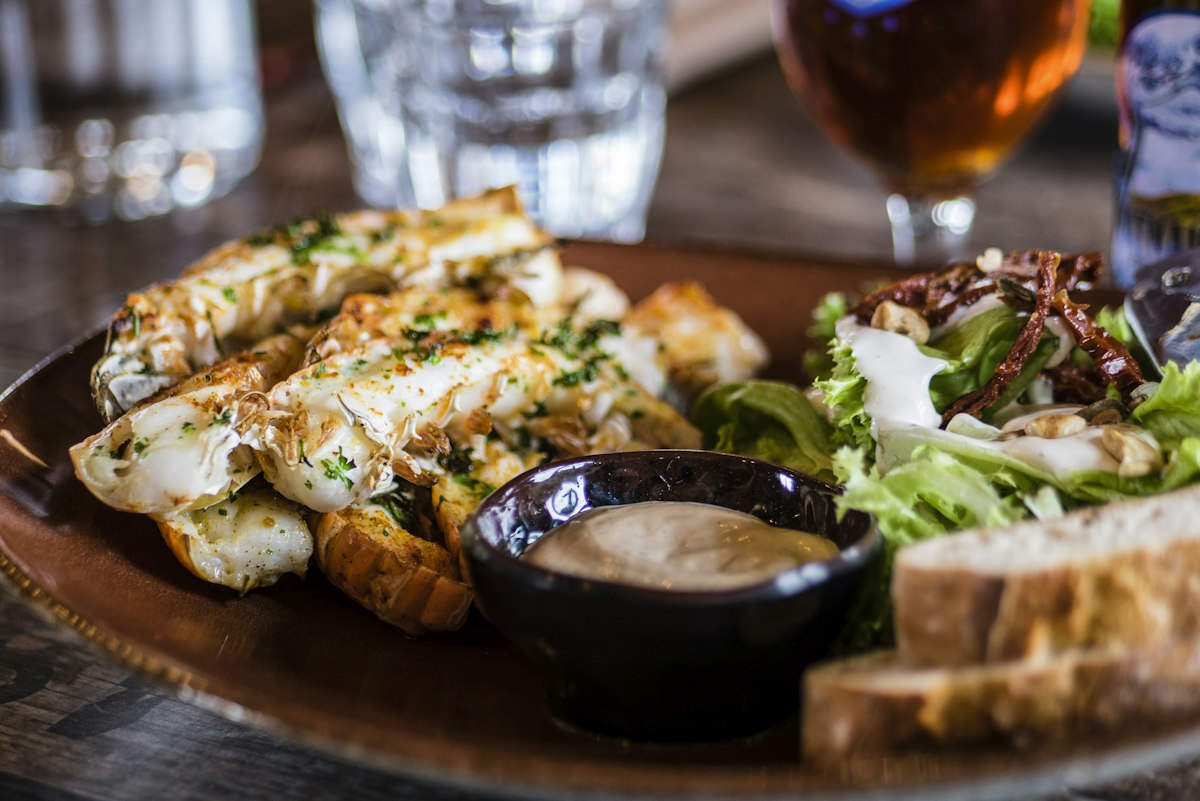
Essential Tips for Stunning Food Photography
Why Food Photography Matters for Delhi Restaurants
In a city where food culture is everything-from Chandni Chowk's legendary street food to Gurgaon's upscale dining scene-great food photography isn't optional. It's the difference between a scroll-past and a table booking. Having worked with cafes in Hauz Khas, restaurants in Cyber Hub, and cloud kitchens across Noida, I've learned what works in this market.
1. Master Natural Lighting (Even in Cramped Kitchens)
Delhi NCR restaurants often have challenging lighting. Here's how I adapt:
Window Light is Gold: Position dishes near windows during the 10am-2pm window before Delhi's harsh afternoon sun kicks in. At Karol Bagh's Roshan Di Kulfi, we used a north-facing window to capture their kulfi perfectly.
Diffuse, Diffuse, Diffuse: I carry a 5-in-1 reflector everywhere. Even in basement restaurants in Connaught Place, bouncing light off white surfaces creates workable conditions.
When Natural Fails: For evening shoots or windowless spaces (looking at you, Khan Market basements), I use my Godox AD200 Pro with a large softbox to mimic natural light direction.
2. Styling That Tells Delhi's Food Stories
Great food photography here isn't just about the dish-it's about evoking the experience:
Use Local Props: Brass kadhais, terracotta kulhads, banana leaves. When shooting for Punjabi Angithi, their traditional copper vessels became hero elements.
Consider Background Context: For street food, I often include a hint of the environment-the steel counter at a chaat stall, the smoke from a tandoor.
Timing is Critical: Butter chicken congeals fast. Chole bhature deflate. I prep the entire shot first, then bring in the hero dish for a 2-3 minute shooting window.
3. Technical Settings That Work
My go-to settings for restaurant shoots:
Aperture: f/2.8 to f/4 for single dishes (beautiful bokeh). f/8 for full thali spreads where everything needs to be sharp.
Shutter: Never below 1/125s handheld-camera shake ruins food detail.
ISO: As low as possible (100-400), but I'll push to 1600 for moody restaurant interiors rather than lose the ambiance.
4. Composition for Indian Food
Indian cuisine is vibrant and abundant-use that:
Overhead for Thalis: The best way to show variety. I shot 50+ menu items for Bikanervala's new location this way.
45-Degree for Height: Biryanis, layered desserts, anything with stack appeal.
Get Close for Texture: Dal makhani's butter swirl, tandoori roti's char marks-these details sell the experience.
Local Tip: Scout Before the Shoot
I always visit restaurants during their slow hours (3-5pm works best) to understand the light, space, and what the chef is proudest of. This prep makes the actual shoot 10x smoother.
Food photography is about making people taste with their eyes. In a city that lives to eat, that's a skill worth mastering.