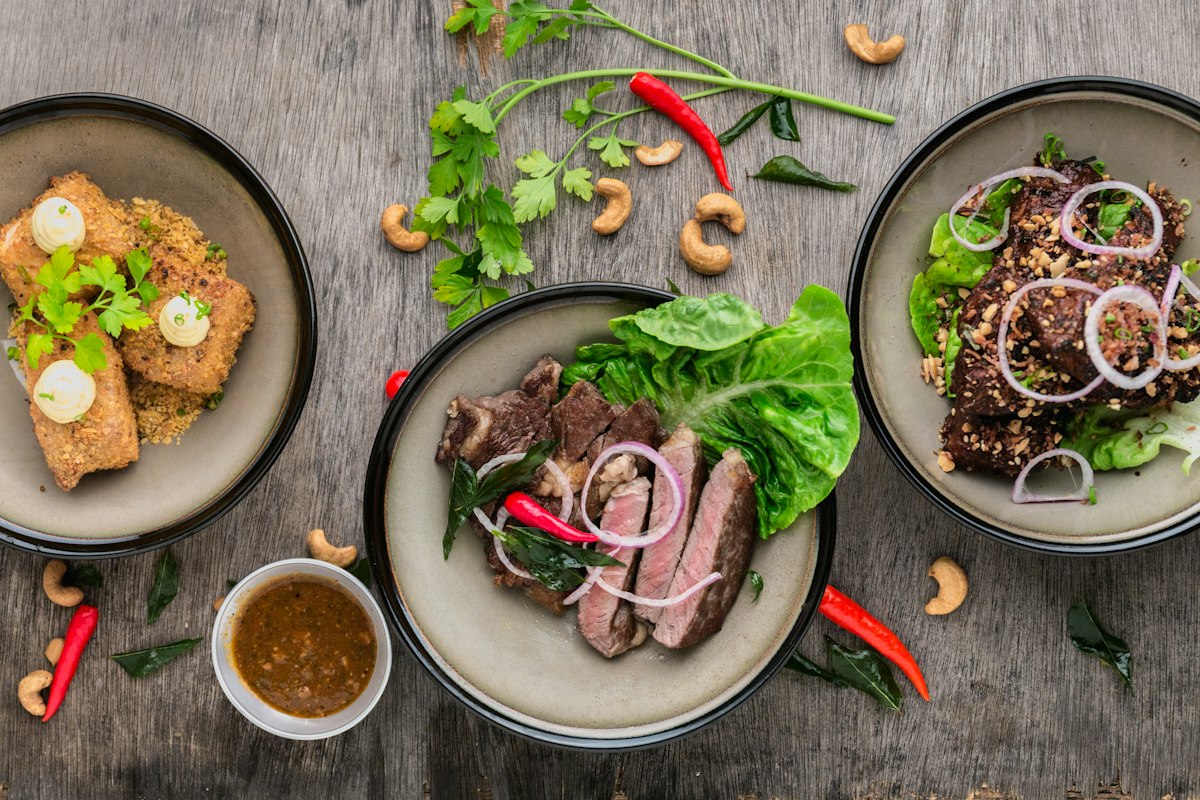
Food Photography for Restaurants: Boost Your Talabat & Deliveroo Orders - Food Photography blog post by Arka Studios
Back to BlogFood Photography

Food Photography for Restaurants: Boost Your Talabat & Deliveroo Orders

Himanshu Singh
12 min read
2026-01-25

The Harsh Truth About Restaurant Photography


74% of people use social media to decide where to eat (Talabat Food Trends Report, 2024). 72% research restaurants on Talabat or Deliveroo before ordering (RedSeer Consulting). If your food photos look like they were taken in a hurry with a phone flash, you're losing orders to competitors with better visuals.


After photographing menus for 50+ restaurants across Dubai-from cloud kitchens in Al Quoz to fine dining in DIFC-here's what actually moves the needle.


Why Food Photos Impact Your Revenue


The Talabat/Deliveroo Algorithm Factor


Both platforms consider photo quality in their ranking algorithms. Listings with professional photos get:

  • Higher placement in search results
  • More prominent featuring in "collections"
  • Better click-through rates from browse pages
  • Lower bounce rates (customers don't immediately leave)

  • The Psychology of Food Photography


    Great food photos trigger a physical response-salivation, hunger, cravings. Poor photos don't just fail to attract; they actively repel. A dish can be delicious, but if it looks grey and flat in photos, customers scroll past.


    What Makes Restaurant Photography Different


    Challenge 1: You Can't Control the Kitchen


    Unlike a studio setup, restaurant shoots happen in working kitchens:

  • Limited space to set up lighting
  • Chefs are busy (can't wait for perfect plating)
  • Food comes out when it's ready, not when light is perfect
  • Multiple dishes need shooting in 2-3 hours

  • Challenge 2: Authentic vs. Styled


    Talabat and Deliveroo customers want to see what they'll actually receive. Over-styled food creates expectations you can't meet:

  • Use actual portion sizes (don't pile extra for photos)
  • Show real serving vessels (not just photo props)
  • Keep styling minimal but intentional

  • Challenge 3: Menu Variety


    A typical restaurant needs 30-100 items photographed. Each needs:

  • Consistent lighting and color
  • Variety in angles and compositions
  • Quick turnaround between dishes

  • My Restaurant Photography Process


    Pre-Shoot Planning


    Menu Review: I get the menu 2-3 days before. Identify:

  • Hero dishes (bestsellers, high-margin items)
  • Challenging items (soups, gravies that photograph poorly)
  • Categories that need variety (all starters looking different)

  • Timing: Schedule shoots at 2-4 PM:

  • After lunch rush, before dinner prep
  • Kitchen is clean and organized
  • Staff can assist without pressure

  • Shot List: Prioritize dishes with the chef:

  • Must-have: Top 10 bestsellers, new items, signature dishes
  • Should-have: Category representation
  • Nice-to-have: Variations, drinks, desserts

  • During the Shoot


    Setup Time: 20-30 minutes to:

  • Find the best light source (window or set up lights)
  • Prepare backgrounds and props
  • Test exposure and white balance

  • Shooting Pace: I aim for 15-20 dishes per hour once rolling:

  • Chef plates dish
  • Quick styling adjustments (wipe plate edges, adjust garnish)
  • 3-5 shots per dish from different angles
  • Move to next dish while assistant clears

  • Communication: Keep chef informed:

  • "This dish photographs dark, can we add a lighter garnish?"
  • "The hummus looks flat, can we add an olive oil drizzle and paprika?"
  • "Perfect, that grilled lamb color is exactly right."

  • Post-Production Workflow


    Same-Day Delivery: For urgent listings, I can deliver 10-15 hero shots within 4-6 hours:

  • Basic color correction
  • Background cleanup
  • Highlight recovery

  • Full Edit: Within 3-5 days:

  • Consistent color grading across all images
  • Crop variations for different platforms
  • Minor retouching (plate chips, background distractions)

  • Technical Settings for Restaurant Environments


    Natural Light Setup (Preferred)


    Position: Near largest window, shooting toward the light

    Settings:

  • Aperture: f/2.8-4 for single dishes, f/5.6-8 for spreads
  • Shutter: 1/125s minimum (tripod if slower)
  • ISO: As low as possible (100-400 ideal)

  • Modifiers:

  • White foam board opposite window (fill shadows)
  • Black foam board to add contrast when needed

  • Artificial Light Setup (Necessary for many locations)


    Equipment:

  • Godox AD200 or similar portable strobe
  • 60cm softbox or large umbrella
  • Stand and boom arm

  • Settings:

  • Flash power: Adjust to match ambient (usually 1/8 to 1/4)
  • Camera: f/4-5.6, 1/125s, ISO 200
  • Angle: 45-degrees from above and side (mimics window light)

  • Styling Tips for Dubai's Multi-Cuisine Scene


    Arabic Dishes & Grills


    The heart of Dubai's food scene. Solutions:

  • Fresh garnish just before shooting (pomegranate seeds, sumac, fresh herbs)
  • Olive oil or ghee creates appealing sheen
  • Garnish with fresh parsley, tahini drizzle, or toasted pine nuts
  • Shoot at 45-degree angle (shows depth and layering)

  • Asian Cuisine


    Dubai's massive Asian food scene needs special attention:

  • Sushi and sashimi must look pristine-shoot immediately
  • Noodle dishes need height-use chopsticks for lift
  • Dim sum benefits from steam and bamboo steamer props
  • Thai curries photograph best with fresh herbs on top

  • Continental & Fine Dining


    Premium positioning matters in Dubai's luxury market:

  • Clean, architectural plating photographs beautifully
  • Use negative space for upscale feel
  • Capture sauce drizzles and micro-herb garnishes in detail
  • Wine glass or cutlery in frame adds sophistication

  • Indian & South Asian


    A huge part of Dubai's food landscape:

  • Fresh tadka/tempering just before shooting (adds visual interest)
  • Biryani needs strategic meat/vegetable placement on top
  • Serve in copper or clay vessels for authenticity
  • Overhead angle shows thali variety; 45-degree shows biryani layers

  • Deliverables for Restaurant Clients


    What I Provide


    For Talabat/Deliveroo Listings:

  • Square crops (1:1) optimized for app thumbnails
  • Minimum 1500x1500 pixels
  • Consistent white or neutral backgrounds

  • For Social Media:

  • Vertical (4:5) for Instagram feed
  • Square (1:1) for carousels
  • Landscape (16:9) for stories and covers

  • For Print Menus:

  • High-resolution (300 dpi) versions
  • CMYK color mode for printing
  • Various crop options

  • File Organization


    Delivered via Google Drive or WeTransfer:

  • Folder per dish category (Starters, Mains, Desserts, etc.)
  • Consistent naming (ItemName_Angle_Platform.jpg)
  • RAW files available on request (additional fee)

  • Pricing Reality Check


    I'll be direct: good food photography isn't cheap, but bad photos are more expensive in lost orders.


    What to Expect:

  • Per-dish pricing: AED 100-300 depending on complexity
  • Half-day session (30-40 dishes): AED 2,500-6,000
  • Full menu (80-100 dishes): AED 6,000-12,000

  • ROI Calculation:

    If professional photos increase your Talabat orders by just 10%, and you're doing AED 30,000/month in delivery, that's AED 3,000/month additional revenue. Photography pays for itself in month one.


    Getting Started


    If you're a restaurant owner in Dubai, here's my suggestion:


    Start with your top 15-20 dishes. These drive 80% of orders. Get these photographed professionally, update your Talabat and Deliveroo listings, and track the impact over 30 days. The data will speak for itself.


    Food photography isn't about making food look unrealistic-it's about capturing how delicious your food actually is. That's a story worth telling well.


    Tags

    food photographyrestaurantsTalabatDeliverooDubaimenu photography

    Let's Create Something Amazing

    Ready to bring your vision to life? We're here to help you tell your story through stunning visuals. Let's start the conversation.